
Eulogy for an Estranged Father

There are few eulogies harder to write than one for a parent from whom you were estranged. When a father dies after years of distance, silence, conflict, or emotional separation, grief rarely arrives in a neat or recognisable form. Instead, it can bring confusion, guilt, anger, relief, sadness, regret, numbness, or all of them at once.
People often assume that death magically repairs fractured relationships. It does not. The death of an estranged father does not suddenly erase years of pain, abandonment, disagreement, addiction, criticism, absence, or emotional distance. What it can do, however, is create space for reflection, and when it comes to writing a eulogy, trust me when I say reflection matters more than perfection.
How To Write A Eulogy for an Estranged Father
As a professional eulogy writer working with families across the UK (and beyond), I often hear the same anxious question from clients:
“How do I honour someone I didn’t really have a relationship with?”
I will always tell them the answer is not to pretend the relationship was something it wasn’t. A meaningful eulogy does not need to become a performance of false closeness. In fact, the most moving funeral tributes are often the honest ones; those that acknowledge complexity while still finding humanity.
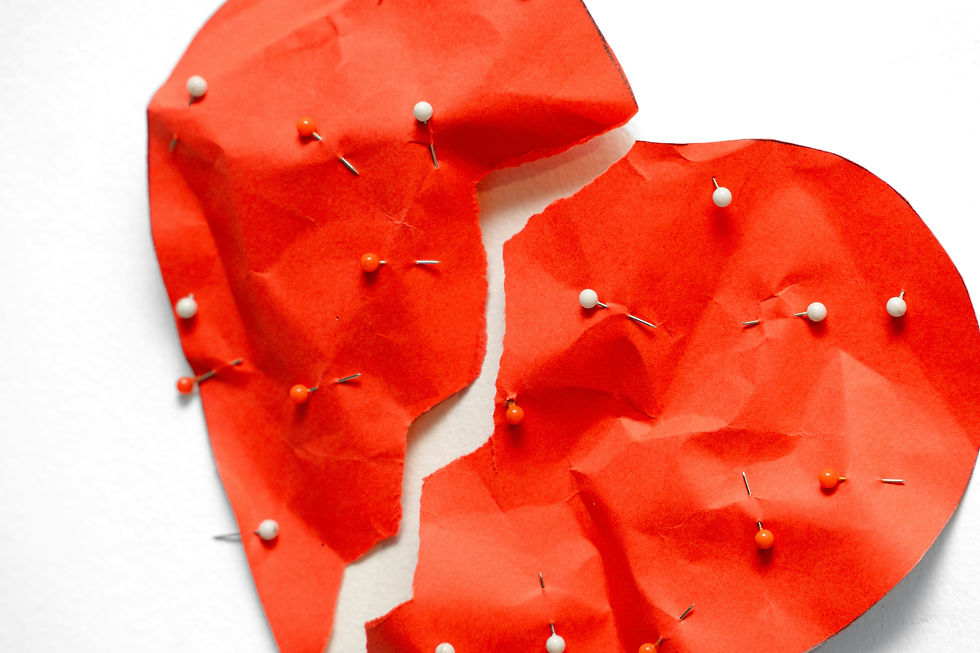
Estrangement Is More Common Than People Realise
Father-child estrangement is far more common than you might realise and certainly more common than many families admit publicly. While every story is unique, there are recurring reasons relationships break down over time.
Sometimes the father was physically absent, leaving during childhood or remaining emotionally unavailable even when present. Sometimes addiction, mental illness, untreated trauma, or financial hardship damaged the relationship beyond repair. In other cases, estrangement develops slowly through years of criticism, controlling behaviour, neglect, or incompatible values.
Modern family life has also changed and continues to do so in ways we wouldn't have thought possible decades ago. Things like political divides, generational differences, divorce, remarriage, inheritance disputes, and disagreements around identity or lifestyle can all widen emotional gaps between parents and children.
Some estrangements happen explosively after one major event. Others occur so gradually that neither side notices the silence growing until birthdays stop being acknowledged and years pass without contact.
When death enters this already complicated landscape, people are often surprised by how conflicted they feel. You may mourn the father you had, the father you wished you had, and the relationship you never managed to build, often all at the same time.
You Do Not Have to Rewrite History
One of the biggest mistakes people make when preparing a eulogy for an estranged parent is believing they must suddenly speak as though the relationship was warm and loving.
As a professional eulogy writer, I'm here to tell you that you do not need to invent memories that never existed.
A funeral is not a courtroom, but nor should it become fiction. There is a middle ground between bitterness and dishonesty. A respectful eulogy can acknowledge complexity without airing every grievance.
This may mean focusing on factual truths rather than emotional exaggeration. Perhaps your father worked hard to provide financially, even if he struggled emotionally. Maybe he had talents, humour, resilience, or interests that indirectly shaped parts of your life. Maybe he taught you lessons through his mistakes rather than his successes.
Sometimes the most authentic line in a eulogy is also the simplest. For example, you could say something like:
“We did not always understand one another, but he remained an important part of my story.”
That kind of honesty often resonates more deeply than polished sentimentality.
Grieving the Relationship You Never Had
Estranged grief differs from conventional grief because it often contains unfinished hope. Even if contact had stopped years ago, many people quietly carried the possibility that one day things might improve. Death removes that possibility permanently. This can create a secondary loss beyond the death itself.
You are not only grieving the person who died; you are also grieving the future reconciliation that will now never happen.
For some, this can feel devastating. For others, it may bring relief alongside sadness. Relief is an uncomfortable emotion at funerals because society expects grief to look a certain way. Yet relief after a difficult relationship is entirely human.
You may feel guilty for not crying enough. Or guilty for crying too much. You may wonder whether you should have called more often, tried harder, forgiven sooner, or protected yourself less fiercely. These thoughts are common after estranged bereavement. They do not necessarily mean you were wrong.
Part of healing is accepting that relationships are built by two people, not one.
Sometimes reconciliation was impossible, not because nobody cared, but because the wounds were too deep, the timing was wrong, or the emotional tools simply were not there. I genuinely believe a eulogy can gently acknowledge this reality without descending into blame.
Finding Meaning Without Forced Forgiveness
There is often pressure after death as people might tell you to “forgive and forget”. While forgiveness can be healing for some people, it should never be forced into a eulogy simply because funerals make others uncomfortable with unresolved relationships.
You are allowed to remain uncertain.
You are allowed to acknowledge that love and pain existed together.
You are allowed to recognise that death does not automatically redeem harmful behaviour.
In my opinion, one of the healthiest approaches when writing about an estranged father is to focus less on achieving emotional closure and more on recognising emotional truth.
Perhaps your father shaped your resilience. Perhaps his absence taught you the kind of parent you wanted to become yourself. Maybe your relationship revealed the importance of communication, boundaries, compassion, or emotional openness.
Sometimes, meaning is found not in reconciliation but in understanding. A thoughtful eulogy can quietly honour that understanding. It might include:
“While our relationship was complicated, his life influenced mine in ways I continue to learn from.”
That statement, or something similar, leaves room for dignity without pretending the wounds disappeared.
Deciding How Much to Say
Many people worry about whether they should openly mention estrangement in the eulogy. In my experience, there is no universal answer that suits everyone or fits every situation.
In some families, acknowledging distance honestly can feel liberating and authentic. In others, particularly where tensions remain high, a more neutral approach may preserve peace during an already emotional day.
The key question to think about is this: does mentioning the estrangement help tell the truth compassionately, or does it risk turning the funeral into unresolved conflict?
A eulogy is not the place to catalogue every argument or betrayal. But neither is it necessary to present a false fairytale. Brief acknowledgement, handled carefully, is often enough.
You might say something like:
“Like many families, ours experienced difficult periods and distance over the years.”
or:
“Our relationship was not always easy, but today is still a moment to reflect on a life and its impact.”
These kinds of lines allow emotional honesty without inviting confrontation.
It Is OK If the Bond Never Fully Heals
I think one of the most difficult truths people face after an estranged parent dies is recognising that some relationships cannot be fully repaired, even in death.
Popular culture often portrays deathbed reconciliations and dramatic final conversations. Real life is frequently less tidy.
Some fathers die before apologies are spoken. Some children never receive the explanations they longed for. Some wounds remain too layered to untangle completely.
I recognise that accepting this can feel deeply painful, but it can also be strangely freeing. Healing does not always require resolution. Sometimes it simply requires acceptance that the story was imperfect.
You do not dishonour your father by acknowledging emotional reality privately within yourself. Nor do you dishonour yourself by refusing to erase your pain for the comfort of others.
A balanced eulogy understands that human beings are rarely all good or all bad. Most people exist somewhere in the difficult middle.
Practical Ways to Approach the Writing Process
When emotions are complicated, writing becomes harder because people try to force clarity before they are ready. Instead, I'd recommend beginning gently.
Start by writing memories without judging them. Not just the painful ones, but ordinary details too.
What phrases did he use?
What music did he listen to?
What habits annoyed you?
What qualities did others admire?
What did you inherit from him, intentionally or otherwise?
You may discover that even difficult relationships contain moments of humanity worth preserving. It can also help to separate the eulogy into themes rather than chronology. Instead of trying to narrate the entire relationship, focus on areas such as his work ethic, humour, family history, lessons learned, or shared interests.
Importantly, remember that a eulogy does not have to say everything. It only needs to say enough.

Why Some People Choose Professional Help
Writing any eulogy is emotionally demanding, and I write them for a living. Writing one for an estranged parent can feel almost impossible because the writer is balancing grief, social expectation, family politics and unresolved emotion simultaneously.
This is one reason many people turn to professional eulogy writers like me. Working with someone outside the family can provide emotional distance, structure, and reassurance without judgment.
I can help identify the tone that feels authentic, avoid accidental bitterness, and shape difficult emotions into something compassionate and coherent. Often, my clients are relieved simply to hear that their feelings are normal.
Most importantly, my support allows people to create a tribute that respects both the deceased and their own emotional truth. If you need anything, I'm here to help.
The PostScript
A eulogy for an estranged father is not about pretending the relationship was perfect. It is about acknowledging that complicated relationships still leave marks on our lives.
Sometimes those marks are painful. Sometimes meaningful. Often both.
You do not need to offer sainthood. You do not need to expose every wound. You only need to speak honestly enough that the words feel real when you say them aloud.
In many ways, the goal of a eulogy is not to resolve a life, but to recognise it. Perhaps that is especially true for estranged fathers: men who may have left behind unanswered questions, unfinished conversations, and imperfect love, but who still formed part of the story that made you who you are today.
Thanks for taking the time to read my post. I really do appreciate it. I'd love to know what you think. If this is a situation you've been in, how did you manage it? Did you use any of the techniques I mentioned, or did you find your own path through? Let me know in the comments below. I read and reply to all of them (unless it's spam, then it gets deleted!)
If these are the circumstances in which you find yourself, I hope it's helped you find the words you need, but if not, I'd be honoured to help you. Please reach out, and let's see how we can work together to create something memorable.
Finally, if you did enjoy this post, please give it a '❤️' and feel free to share it on your socials. Maybe someone in your network might need it. There are other blogs you might like, linked below, and a wealth of others on the site.


Comments